
Water is one of the most valuable resources in your home. Whether your water comes from a municipal supply or a private well, using less of it can reduce utility costs, conserve energy and place less strain on your plumbing system.
Fortunately, saving water does not have to mean taking shorter showers or living with weak water pressure. Today’s water-saving plumbing products are designed to reduce unnecessary water use while maintaining the comfort and performance homeowners expect.
From high-efficiency toilets and low-flow showerheads to smart leak detection systems, there are several practical upgrades that can make a noticeable difference. A professional plumber can help you determine which products will provide the greatest benefit based on your home, water pressure, plumbing fixtures and family’s daily habits.
Why Water Conservation Matters in Chicagoland Homes
Reducing household water consumption can provide benefits beyond a lower water bill. Every gallon of hot water you save also reduces the energy needed to heat it. Water-efficient fixtures may therefore help lower both water and energy costs.
Water conservation can also reduce wear on water heaters, well pumps, sewer lines and septic systems. Even relatively small improvements can add up when they are repeated throughout the day.
Replacing an inefficient toilet, repairing a dripping faucet or installing a modern showerhead may not seem significant on its own. When those savings are multiplied across months and years, however, the difference can be substantial.
High-Efficiency Toilets Use Less Water Per Flush
Toilets are among the largest water users in many homes, especially when older fixtures are still in use. Some older toilets use 3.5 gallons or more every time they are flushed. Modern high-efficiency toilets can use approximately 1.28 gallons per flush or less.
Look for toilets that have earned the EPA’s WaterSense label. These models are designed to meet water-efficiency and performance standards, so homeowners do not have to sacrifice flushing power to conserve water.
Replacing an older toilet can be especially worthwhile in a busy household where the fixture is flushed many times each day. It may also help solve ongoing problems such as frequent clogs, leaks around the base, a constantly running tank or worn internal components.
Signs It May Be Time To Replace Your Toilet
- The toilet runs after flushing or refills periodically on its own.
- You frequently need to jiggle the handle to stop the water.
- The toilet clogs even when it is used normally.
- The bowl or tank is cracked.
- The fixture rocks or leaks around the base.
- The toilet uses 3.5 gallons or more per flush.
A licensed plumber can inspect the toilet, determine whether a repair is practical and recommend an efficient replacement when upgrading makes more sense.
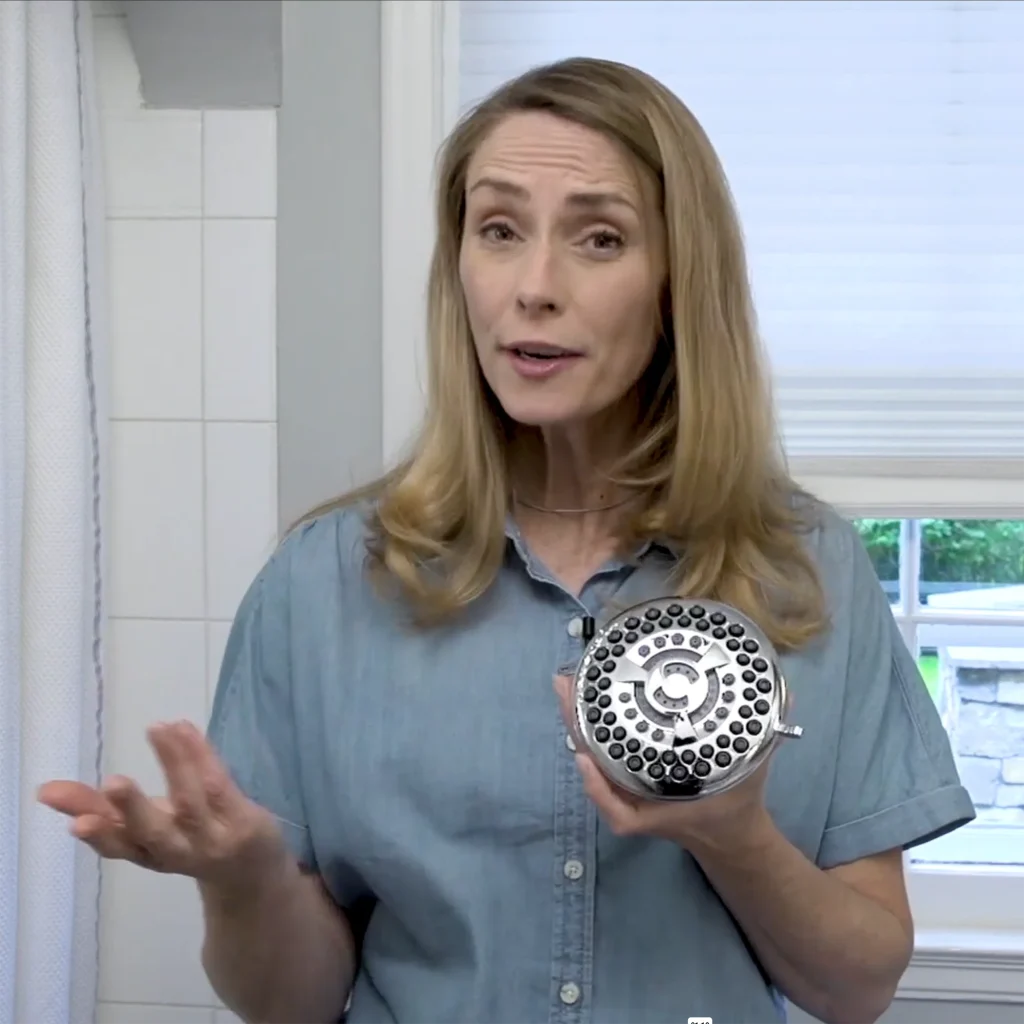
Water-Saving Showerheads Can Reduce Hot Water Use
Older showerheads may use 2.5 gallons of water per minute or more. A water-efficient showerhead can reduce that flow while still providing a comfortable spray pattern and adequate pressure.
WaterSense-labeled showerheads use no more than 2 gallons per minute and must meet performance requirements for spray force and coverage. Because shower water must also be heated, upgrading the showerhead can reduce both water consumption and water-heating costs.
When choosing a showerhead, consider more than the advertised flow rate. The quality of the spray pattern, your home’s available water pressure and the condition of the shower valve can all affect performance.
If the shower pressure is unusually weak throughout the home, replacing the showerhead may not address the underlying problem. Mineral buildup, partially closed valves, corroded pipes, a failing pressure regulator or a water supply issue may need to be investigated.
Low-Flow Bathroom Faucets and Aerators
Bathroom faucets are used repeatedly for handwashing, shaving, brushing teeth and other daily tasks. Installing a water-efficient faucet or aerator can reduce the amount of water flowing from the fixture without making it difficult to rinse your hands.
A faucet aerator mixes air into the water stream. This creates a full, steady flow while allowing the faucet to use less water. Aerators are relatively simple products, but the correct size and flow rate are important.
WaterSense-labeled bathroom faucets and accessories are designed to use no more than 1.5 gallons per minute. In comparison, some older bathroom faucets may use more than 2 gallons per minute.
A professional faucet installation also provides an opportunity to inspect the shutoff valves, supply lines, drain connections and surrounding plumbing for corrosion or leaks.
Water-Saving Kitchen Faucets
The kitchen faucet needs to balance efficiency with practical performance. Homeowners still need enough flow to fill pots, wash produce, rinse dishes and clean the sink.
Modern kitchen faucets may include efficient aerators, pull-down sprayers, pause controls and selectable spray settings. These features make it easier to direct the water where it is needed instead of allowing it to run continuously.
A pull-down or pull-out sprayer can be particularly useful because it allows you to rinse dishes and clean the sink more efficiently. Some models also include touch or motion-activated controls that make it easier to turn the water off while your hands are occupied.
If a kitchen faucet has lost pressure, do not immediately assume that replacement is necessary. The aerator may be clogged with sediment, the supply valve may be restricted or the pull-down hose may be kinked. A plumber can identify the cause and explain whether cleaning, repair or replacement is the best option.
Smart Water Leak Detection and Automatic Shutoff Valves
A smart water leak detection system can help conserve water while protecting your home from extensive property damage. These systems monitor water use and may detect unusual flow patterns caused by leaking pipes, running toilets, failed appliance hoses or other plumbing problems.
More advanced systems include an automatic shutoff valve installed on the home’s main water line. When the system detects a potentially serious leak, it can shut off the water supply before the leak causes additional damage.
Some systems also connect to a mobile app and can notify the homeowner when abnormal water use is detected. Depending on the product, homeowners may be able to view water usage, shut the water off remotely and receive alerts while they are away from home.
Where Individual Leak Sensors Can Be Helpful
- Near the water heater
- Under kitchen and bathroom sinks
- Behind the washing machine
- Near the dishwasher
- Beside a sump pump or ejector pump
- Near a refrigerator water line
- In a finished basement
- Near plumbing located above a finished room
A professionally installed automatic shutoff valve provides broader protection than individual moisture alarms alone. The correct installation will depend on the size and configuration of the main water line, available power and Wi-Fi connectivity.
Water Pressure Regulators Can Prevent Waste and Plumbing Damage
Excessive water pressure can waste water and place unnecessary stress on faucets, toilets, appliance hoses, water heaters and pipe connections. It can also contribute to banging pipes, dripping fixtures and premature plumbing failures.
A pressure-reducing valve, sometimes called a water pressure regulator, controls the pressure entering the home. If your water pressure is too high or fluctuates significantly, a plumber can test it and determine whether the regulator needs to be adjusted or replaced.
Installing low-flow fixtures without correcting excessive pressure may limit their effectiveness. That is why evaluating the plumbing system as a whole can be more beneficial than replacing products one at a time.
Hot Water Recirculation Systems Reduce the Wait for Hot Water
How much water runs down the drain while you wait for the shower or faucet to become hot? In homes with long plumbing runs, the amount can be significant.
A hot water recirculation system keeps hot water closer to the fixtures, reducing the time it takes to arrive. Depending on the home, the system may use a dedicated return line or a retrofit configuration.
Many modern recirculation systems include timers, temperature controls, motion sensors or demand-activated buttons. These controls help provide faster hot water without operating the pump continuously.
Recirculation systems must be selected and configured carefully. A system that runs unnecessarily can increase energy consumption, so professional design and installation are important.
Outdoor Water Conservation and Irrigation Controls
Outdoor watering can account for a large portion of household water use during the summer. Traditional irrigation timers may continue watering even when the soil is already wet or rain is expected.
Soil moisture sensors and weather-based irrigation controllers can help reduce overwatering by adjusting the schedule based on actual conditions. These products can also help protect lawns and landscaping from problems caused by excessive moisture.
Other useful outdoor water-saving products include:
- Drip irrigation for gardens and planting beds
- Rain sensors that pause scheduled watering
- Adjustable sprinkler heads that reduce overspray
- Hose nozzles with automatic shutoff controls
- Outdoor faucets that do not drip when turned off
Leaks in underground irrigation lines can go unnoticed for long periods. Unusually wet areas, sinking soil, reduced water pressure or a sudden increase in water use may indicate a hidden outdoor leak.
Do Not Overlook Small Plumbing Leaks
Water-efficient fixtures cannot deliver their full benefit when water is being lost through leaks. A toilet that runs intermittently, a faucet that drips or a pipe connection that slowly seeps can waste water every day.
Some leaks are obvious. Others are hidden behind walls, under floors or beneath concrete. Common warning signs include:
- A water bill that increases without an obvious explanation
- The sound of running water when fixtures are off
- Stains or discoloration on ceilings and walls
- Musty odors or recurring mold growth
- Warped flooring or damaged cabinets
- A water meter that moves when no water is being used
- A sump pump that operates more frequently than expected
Addressing a leak quickly can conserve water and reduce the risk of structural damage, mold growth and expensive repairs.
Which Water-Saving Plumbing Upgrade Is Best?
The right place to start depends on the age and condition of your plumbing fixtures. Homes with older toilets may benefit most from high-efficiency replacements. Households that use large amounts of hot water may see greater benefits from efficient showerheads and faster hot-water delivery.
Homes with finished basements, second homes or properties that are frequently unoccupied may benefit from smart leak detection and automatic water shutoff protection.
A professional plumbing inspection can help identify inefficient fixtures, high water pressure, hidden leaks and other problems that may be increasing water use. The plumber can then prioritize the improvements that offer the greatest practical benefit.
Professional Water-Saving Plumbing Installation in Chicagoland
MR Plumbing Heating Air Electrical has served Crestwood and the Chicagoland area since 1972. Our licensed plumbers can help you select and install water-saving plumbing products that fit your home, water pressure and everyday needs.
We install and service toilets, faucets, shower fixtures, water pressure regulators, leak detection systems, automatic shutoff valves, water heaters and other residential plumbing equipment. You will receive up-front pricing and clear recommendations before work begins.
Visit our Crestwood showroom to explore plumbing fixtures and discuss your next kitchen or bathroom project with an experienced professional.
Watch the Video to Learn More
Start Saving Water and Protecting Your Home
Whether you want to replace an inefficient toilet, upgrade your faucets, improve shower performance or protect your home with an automatic leak shutoff system, MR Plumbing Heating Air Electrical is ready to help.
Call 708-385-8607 to schedule plumbing service or speak with our team about the best water-saving products for your Chicagoland home.
