
Frozen Pipe Repair and Thawing, 24/7
Emergency Frozen and Burst Pipe Service for Chicagoland Homes
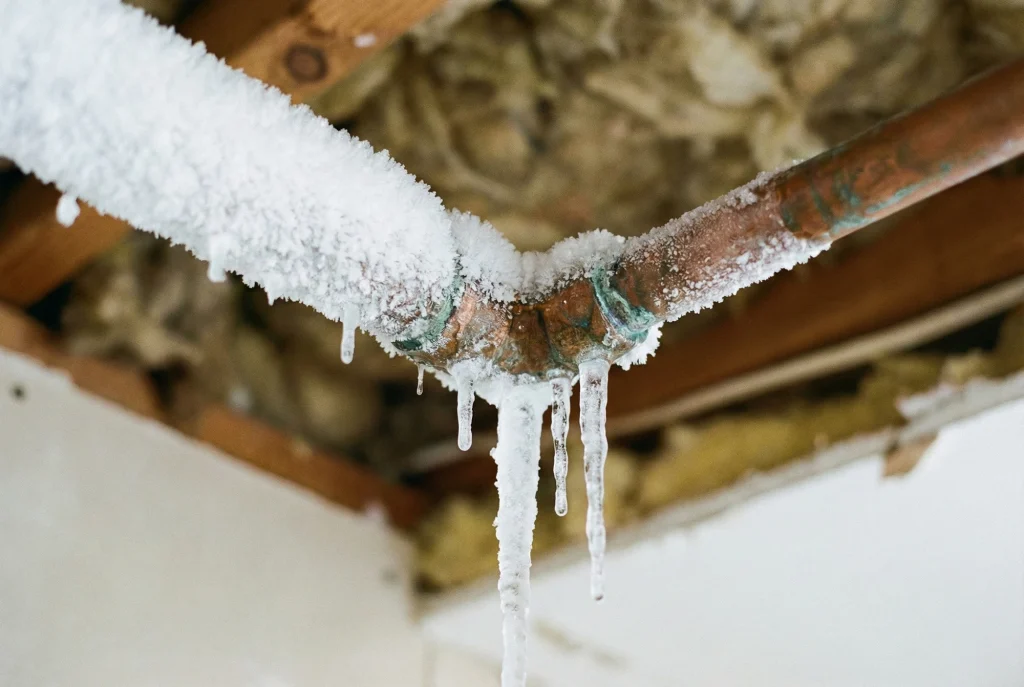
Mr. Plumbing thaws and repairs frozen and burst pipes 24/7 for homes in Crestwood and throughout the Chicagoland area. If a pipe has burst, shut off your main water valve first, then call 708-385-8607. You get up-front pricing before any work begins.
When water freezes inside a pipe, it expands and builds pressure until the pipe cracks or splits. The crack often stays hidden until the ice melts, and then water can pour into walls, ceilings and basements. Acting quickly on a frozen pipe is the best way to keep a small problem from becoming major water damage.
Signs You Have a Frozen Pipe
Frozen pipes are most common during long stretches of below-freezing weather. Watch for:
- A faucet that gives only a trickle of water, or no water at all
- Frost on an exposed pipe
- A pipe that looks bulged or swollen
- One fixture without water while the rest of the home still has water
- Pipes in exterior walls, unheated basements, crawl spaces, attics or garages that stop working during a cold snap
What to Do If a Pipe Bursts
A burst pipe can release gallons of water in minutes. Take these steps right away:
- Shut off the main water valve. The main shutoff is usually where the water line enters the home, often near the water meter in the basement. Every adult in the home should know where the valve is.
- Stay away from electrical hazards. Do not walk through standing water near outlets, cords or appliances. If water is near electrical equipment, turn off power to that area only if you can reach the breaker panel safely.
- Open the faucets. Opening the faucets drains the water left in the lines and relieves pressure on the damaged pipe.
- Move belongings and remove water. Move valuables away from the leak and soak up standing water to limit damage.
- Call a plumber. Call Mr. Plumbing at 708-385-8607 for 24/7 burst pipe repair.
- Take photos. Photograph the damage before cleanup for your insurance company.
How to Thaw a Frozen Pipe Safely
If a pipe is frozen but has not burst, you may be able to thaw an exposed section yourself:
- Find the frozen section. Check pipes exposed to cold air, such as those in unheated basements, crawl spaces, attics, garages and cabinets on exterior walls.
- Open the faucet. Leaving the faucet open lets melting water flow out and shows you when the pipe is clear.
- Apply gentle heat. Use a hair dryer, heating pad or warm towels. Start near the faucet and work toward the frozen area.
- Never use an open flame. Propane torches, candles and other open flames can start a fire and damage the pipe.
- Check for damage. Once water flows again, look and listen for leaks along the pipe. A damaged pipe must be repaired before it is used again.
Call a plumber if you cannot find the frozen section, if the pipe is inside a wall or ceiling, or if more than one fixture has no water.
How Mr. Plumbing Thaws and Repairs Frozen Pipes
Our plumbers find the frozen section, thaw it safely and check the line for cracks or leaks. For sections that are hard to reach, your plumber may use a pipe thawing machine, which heats the pipe without an open flame. If the pipe has cracked or burst, we repair or replace the damaged section and restore your water. Learn more about leaking pipe repair.
Pipes that freeze again and again usually run through a cold, poorly insulated part of the home. Your plumber can recommend insulation or rerouting the pipe. For older homes with many problem pipes, repiping may be the better long-term fix.
Preventing Frozen Pipes
A few simple steps protect your pipes through a Chicago winter:
- Keep your home warm: Set the thermostat to at least 55°F, even when you are away.
- Insulate exposed pipes: Wrap pipes in unheated basements, attics, crawl spaces and garages with foam pipe insulation.
- Seal drafts: Seal gaps around windows, doors and the spots where pipes pass through exterior walls.
- Let faucets drip: During extreme cold, let faucets on vulnerable pipes drip slowly. Moving water is less likely to freeze.
- Open cabinet doors: Open the cabinets under sinks on exterior walls so warm air can reach the pipes.
- Disconnect garden hoses: Remove and drain hoses before the first freeze so water does not freeze in the outdoor faucet.
- Keep the garage door closed: A closed garage door keeps nearby pipes warmer.
For more ways to protect your home, read our guide to preventing frozen pipe disasters.
Frozen Pipe FAQ
At what temperature do pipes freeze?
Pipes in unheated or poorly insulated areas are at risk once outdoor temperatures stay below freezing. The risk rises sharply when temperatures drop toward 20°F or lower, especially overnight.
Will a frozen pipe always burst?
No, but the pressure from ice can crack a pipe. Many cracks leak only after the pipe thaws, so check the pipe for leaks once water flows again.
How long does it take to thaw a frozen pipe?
An exposed pipe can often be thawed in under an hour with gentle heat. A pipe inside a wall or ceiling takes longer and usually needs a plumber.
Should I shut off the water if a pipe is frozen?
If you see a crack or a leak, shut off the main water valve right away. If the pipe is frozen but not leaking, leave the faucet open while you thaw it so you can see when water flows again.
Do you offer emergency frozen pipe service?
Yes. Mr. Plumbing offers 24/7 emergency service for frozen and burst pipes. Call 708-385-8607.
Call Mr. Plumbing for Frozen Pipe Repair
Mr. Plumbing has served Crestwood and the Chicagoland area since 1972. Call 708-385-8607 or request service online for frozen pipe thawing and burst pipe repair.
