
A plumbing emergency can go from a small inconvenience to serious water damage surprisingly quickly. A burst or leaking pipe, overflowing toilet, clogged drain, sewer backup, leaking water heater, or faucet that will not shut off can release a significant amount of water into your home if the problem is not brought under control.
In Chicagoland, plumbing emergencies can be especially disruptive during the winter, when freezing temperatures increase the risk of frozen and burst pipes. Knowing what to do before the plumber arrives can help limit water damage, protect your belongings, and make the repair process easier.
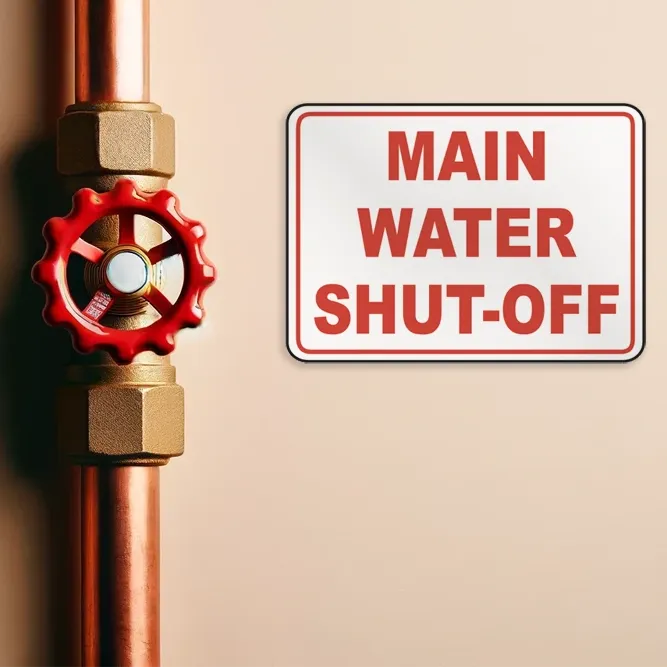
The most important first step in many plumbing emergencies is stopping the flow of water. Everyone in your household should know where the main water shutoff valve is located and how to operate it. It is also helpful to know where individual shutoff valves are located for toilets, sinks, washing machines, and other plumbing fixtures.
What Should You Do First in a Plumbing Emergency?
If water is actively leaking, overflowing, or spraying inside your home, take these steps:
- Shut off the water. Use the fixture shutoff valve if you can clearly identify the source. Otherwise, shut off the home’s main water supply.
- Protect yourself from electrical hazards. Stay away from standing water near electrical outlets, appliances, wiring, or the electrical panel.
- Stop using affected plumbing. This is especially important when dealing with clogged drains or a sewer backup.
- Contain water when it is safe to do so. Buckets, towels, and a wet vacuum can help limit damage from minor leaks after the water supply has been stopped.
- Call a professional plumber. A plumber can identify the cause of the emergency, make the necessary repair, and determine whether other parts of your plumbing system have been affected.
If water has reached electrical equipment or you would need to stand in water to reach a breaker, outlet, appliance, or shutoff, do not enter the area. Address the electrical hazard before attempting cleanup.
Know Where Your Water Shutoff Valves Are Located
Finding a shutoff valve during an emergency is much easier if you already know where to look.
Fixture Shutoff Valves
If the problem is limited to one plumbing fixture or appliance, shutting off water only to that fixture allows the rest of the home’s plumbing to remain operational.
Common locations include:
- Toilets: Look for a valve on the wall or floor behind the toilet, usually near the bottom of the tank.
- Bathroom and kitchen sinks: Hot and cold water shutoff valves are typically located inside the cabinet underneath the sink.
- Washing machines: There are normally separate hot and cold water valves behind or near the washing machine.
- Dishwashers: The shutoff may be beneath the kitchen sink or along the dishwasher supply line.
Many traditional shutoff valves close by turning them clockwise. Quarter-turn valves generally shut off when the handle is turned so that it is perpendicular to the pipe.
Do not force a valve that is badly corroded, damaged, or extremely difficult to turn. An old valve can break and create an even larger leak.
Main Water Shutoff Valve
If you cannot identify the source of a leak, a fixture valve does not work, or a water line has burst, shut off the home’s main water supply.
In many Chicagoland homes, the main shutoff is located in the basement, utility area, crawlspace, or near the point where the main water service enters the house. The exact location varies depending on the home’s age and plumbing configuration.
Once you locate the valve, make sure every adult in the household knows where it is. Check it periodically so you know it is accessible and functioning before an emergency occurs.
The outdoor curb stop or municipal water shutoff is different from your home’s normal main shutoff. Homeowners generally should not attempt to operate a municipal shutoff unless specifically authorized to do so.
What To Do When a Pipe Bursts
A burst pipe can release a large amount of water in a short period of time. If you discover water spraying from a pipe or rapidly collecting inside the home:
- Shut off the main water supply immediately.
- Open a faucet after the water is off to help relieve pressure remaining in the plumbing system.
- Keep people away from any water near electrical equipment.
- Move furniture, boxes, rugs, and other belongings away from the affected area when it is safe to do so.
- Call a plumber for leaking or burst pipe repair.
Even after the visible leak has stopped, water may have traveled inside walls, ceilings, cabinets, or flooring. Addressing a burst pipe quickly can help reduce the extent of the resulting water damage.
Frozen Pipes and Winter Plumbing Emergencies
Frozen pipes are a particular concern in the Chicagoland area during prolonged cold weather. Pipes in exterior walls, crawlspaces, garages, poorly insulated areas, and other locations exposed to cold temperatures can be especially vulnerable.
Common signs of a frozen pipe include little or no water coming from a faucet, visible frost on exposed piping, or a pipe that appears unusually cold.
If you suspect a pipe is frozen but it has not burst, keep the affected faucet open and warm the pipe gradually using safe sources of heat such as warm air. Never use an open flame, torch, or similar device to thaw a frozen pipe.
Remember that a frozen pipe may already have cracked. The leak sometimes does not become apparent until the ice begins to thaw and water starts flowing again.
If you discover a split or burst pipe, shut off the main water supply and call a plumber rather than continuing to thaw the line.
What To Do When a Toilet Is Overflowing
An overflowing toilet is one of the most common household plumbing emergencies. If the water continues rising after a flush, do not flush the toilet again.
Turn off the toilet’s water supply using the valve behind or beside the toilet. If necessary, remove the tank lid and prevent additional water from leaving the tank while you shut off the supply.
A basic toilet clog may be cleared with a toilet plunger. However, repeated clogs, multiple slow drains, bubbling fixtures, or sewage appearing in a tub or shower may indicate a larger drain or sewer problem rather than a blockage limited to the toilet.
What To Do During a Sewer Backup
A sewer backup requires immediate attention because wastewater can contain harmful bacteria and other contaminants.
Warning signs of a sewer line problem can include:
- Several drains backing up at the same time
- Water appearing in a shower or bathtub when a toilet is flushed
- Gurgling toilets or drains
- Sewage coming through a basement floor drain
- Persistent sewer odors inside the home
- Repeated drain clogs that return after being cleared
If you suspect a sewer backup, stop using water throughout the house. Do not run sinks, showers, washing machines, dishwashers, or flush toilets. Every additional gallon of water entering the drainage system can make the backup worse.
Keep children and pets away from affected areas and avoid direct contact with sewage. Call a plumber to determine whether the problem is caused by an obstruction, damaged sewer pipe, roots, or another issue requiring professional sewer line repair.
What To Do When a Water Heater Is Leaking
Water around a water heater should not be ignored. A small amount of moisture may come from a connection or valve, while significant leakage can indicate a failing tank or another serious problem.
If water is actively leaking from the water heater, shut off its cold-water supply if the valve can be reached safely.
Because water heaters also involve electricity or natural gas, additional caution is necessary. Do not attempt to work on gas controls, electrical wiring, burners, or internal water heater components unless you are qualified to do so.
If there is a strong natural gas odor, leave the area and follow your gas utility’s emergency instructions rather than attempting a plumbing repair.
When a Clogged Drain Becomes an Emergency
A single slow sink may not require emergency service, but some drain clogs need prompt attention.
Call a plumber when:
- Water or sewage is backing up into the home
- Several drains stop working at the same time
- Toilets overflow repeatedly
- A clog returns shortly after clearing
- You hear unusual gurgling from multiple plumbing fixtures
- You suspect a blockage in the home’s main sewer line
Avoid repeatedly pouring chemical drain cleaners into a severely clogged drain. They may not solve a blockage deeper in the drainage system and can leave corrosive chemicals sitting in the pipe for anyone who later works on it.
Don’t Forget Washing Machine Supply Hoses
A failed washing machine hose can release water continuously until the supply is shut off. Because washing machines are often located in basements, utility rooms, or other areas that are not constantly occupied, a leak can cause extensive damage before it is discovered.
If a hose bursts, immediately close both the hot and cold washing machine valves. If those valves do not stop the water, shut off the home’s main water supply.
Inspect washing machine hoses periodically for cracking, bulging, corrosion around fittings, or other signs of deterioration.
Should You Shut Off the Water Before Leaving Home?
If you will be away for an extended period, especially during a Chicagoland winter, consider the risk of an unnoticed plumbing leak or frozen pipe.
Depending on your home’s plumbing and heating systems, shutting off the domestic water supply may reduce the amount of water that could escape if a pipe or appliance connection fails. However, homes with boilers, fire suppression systems, water-powered sump backup systems, or other equipment connected to the water supply may require special consideration.
If you are unsure how shutting off the water could affect your home’s systems, ask a professional plumber before doing so.
Prepare for a Plumbing Emergency Before It Happens
A few minutes of preparation can make an enormous difference when water suddenly starts leaking inside your home.
- Locate and label the main water shutoff valve.
- Show other household members how to turn the water off.
- Know where fixture and appliance shutoffs are located.
- Keep the area around the main valve accessible.
- Periodically inspect exposed pipes and appliance supply lines for leaks or corrosion.
- Address slow drains and recurring clogs before they become backups.
- Protect vulnerable pipes before Chicagoland temperatures fall below freezing.
- Keep the contact information for a trusted local plumber readily available.
Need an Emergency Plumber in Chicagoland?
When a pipe bursts, a sewer backs up, a water heater starts leaking, or another plumbing problem threatens your home, acting quickly can help prevent a bad situation from becoming much more expensive.
If you have a plumbing emergency in Crestwood or the Chicagoland area, call M/R Plumbing. Our experienced plumbers can locate the source of the problem, explain your repair options, and get your plumbing system back in working order as quickly as possible.
Don’t wait while a plumbing problem gets worse. Contact M/R Plumbing for professional plumbing service when you need it.
