
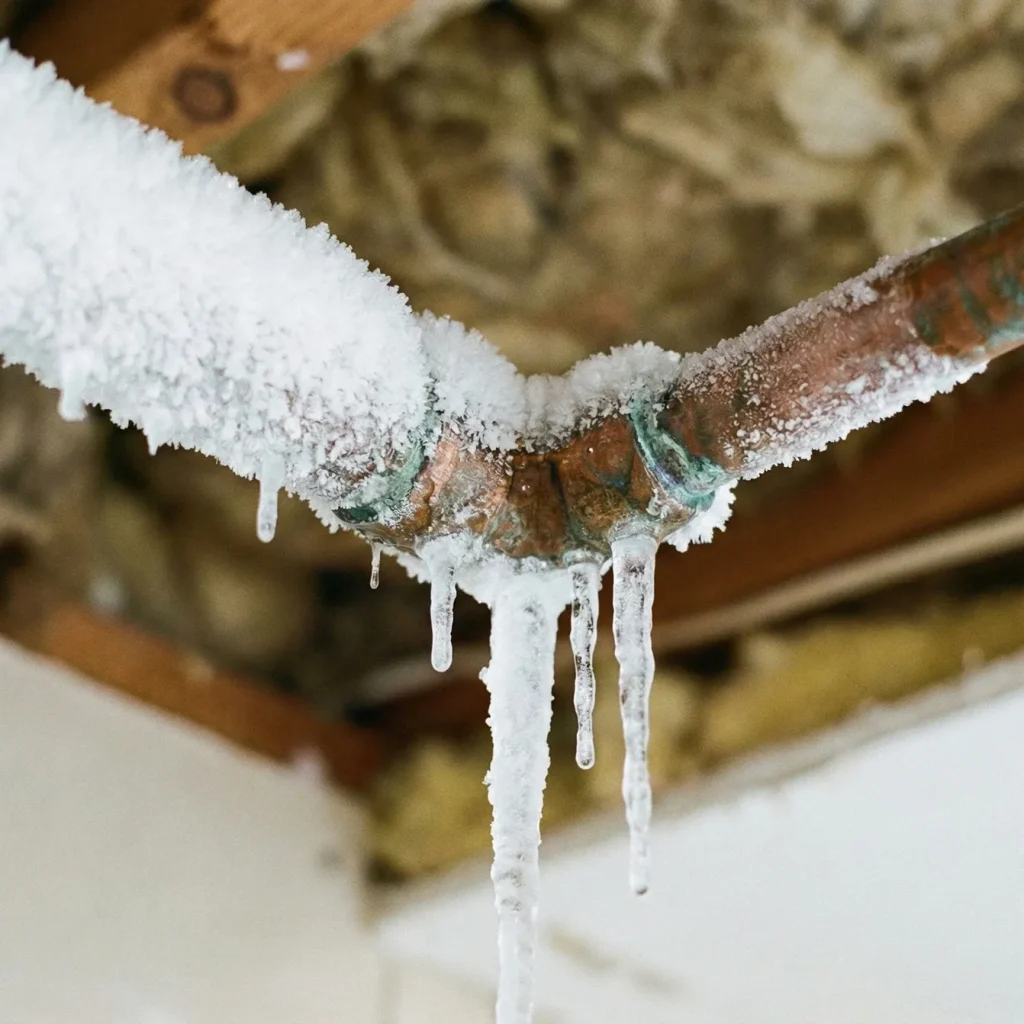
Winter in Chicagoland can be hard on a home’s plumbing system. Extended periods of freezing temperatures can expose vulnerable pipes, outdoor faucets, sump pumps, water heaters and other plumbing components to conditions that can lead to leaks, frozen pipes and costly water damage.
Fall is the ideal time to take care of plumbing maintenance before temperatures drop. A few preventative steps now can help reduce the risk of an emergency during the coldest days of winter and make sure the plumbing systems you depend on are ready for the months ahead.
Mr. Plumbing Heating Air Electrical has served Crestwood and the Chicagoland area since 1972, so we know how quickly local winter weather can reveal plumbing problems that may have gone unnoticed during warmer months. Use this winter plumbing checklist to help prepare your home before the first deep freeze.
Protect Your Home From Frozen Pipes
Frozen pipes are one of the most serious winter plumbing problems for Chicago-area homeowners. When water inside a pipe freezes, it expands and puts tremendous pressure on the pipe. The pipe may crack or split, sometimes without becoming obvious until the ice thaws and water begins leaking into the home.
Pipes are particularly vulnerable when they are located in or near:
- Exterior walls
- Unheated basements and crawl spaces
- Garages
- Utility rooms
- Under kitchen or bathroom sinks along outside walls
- Areas where cold outside air can enter through cracks or gaps
Before winter, inspect accessible plumbing and look for pipes that may need additional insulation. Seal openings around exterior walls, foundations, windows, doors and pipe penetrations where cold air can reach plumbing.
During especially cold weather, keep the home heated consistently. If plumbing is located inside a cabinet along an exterior wall, opening the cabinet doors can help warm indoor air circulate around the pipes.
If a faucet suddenly produces little or no water during freezing weather, a pipe may already be frozen. Avoid using an open flame or torch to thaw plumbing. If you cannot safely locate or thaw the frozen section, contact a professional plumber before the pipe bursts.
Disconnect Garden Hoses and Protect Outdoor Faucets
One of the easiest winter plumbing problems to prevent starts outside the home. Leaving a garden hose connected to an outdoor faucet can trap water in the hose and faucet assembly. When that water freezes and expands, it can damage the hose bib or plumbing inside the wall.
Before freezing weather arrives:
- Disconnect all garden hoses.
- Drain the hoses before storing them.
- Check outdoor faucets for drips or leaks.
- Shut off and drain exterior water lines if your plumbing system has dedicated interior shutoff valves.
- Consider insulated faucet covers where appropriate.
Frost-free hose bibs also need to be able to drain properly, which is another reason hoses should not remain connected through the winter.
Know Where Your Main Water Shutoff Valve Is Located
If a pipe bursts, being able to shut off the water quickly can make an enormous difference in the amount of damage to your home.
Every homeowner should know where the main water shutoff valve is located and make sure it can be operated before an emergency occurs. If the valve is difficult to turn, corroded or inaccessible, have it inspected rather than waiting until water is spraying from a broken pipe.
It is also helpful to make sure everyone in the household knows where the valve is located.
Prepare Plumbing Before Leaving Home During Winter
Homes left unattended during Chicago winters require additional precautions. A furnace failure, power outage or severe cold snap can cause indoor temperatures to fall quickly enough for pipes to freeze.
If you will be away, do not completely turn off the heat. Keep the thermostat at a temperature sufficient to protect the home, commonly at least 55 degrees Fahrenheit, and consider having someone check the property periodically.
For seasonal homes or properties that will be unoccupied for an extended period, simply shutting off the main water valve may not completely winterize the plumbing. Water can remain in supply lines, fixtures, traps, appliances and other components. A professional plumbing winterization can provide additional protection when a property will be vacant through freezing weather.
Check for Plumbing Leaks Before Winter
A dripping faucet or small plumbing leak might not seem urgent, but even minor leaks waste water and can indicate worn components that are likely to get worse.
Fall is a good time to check:
- Kitchen and bathroom faucets
- Showerheads and tub faucets
- Toilet supply connections
- Water heater connections
- Exposed pipes
- Washing machine hoses and valves
- Plumbing underneath sinks
- Outdoor faucets
Also pay attention to water stains, warped cabinetry, musty odors or unexplained increases in your water bill. These can be signs of a hidden plumbing leak.
Repairing leaks before winter can prevent water waste while reducing the chance that a minor plumbing problem becomes a larger emergency.
Flush and Inspect Your Water Heater
Cold weather generally means more work for your water heater. Incoming water is colder during winter, and families often use more hot water for showers, laundry and household cleaning.
Traditional tank water heaters can accumulate sediment at the bottom of the tank. Excessive sediment may reduce efficiency, contribute to popping or rumbling sounds and interfere with normal water heater performance.
Periodic flushing may help remove sediment, but maintenance requirements vary by manufacturer, water conditions and the age of the water heater. Always follow the manufacturer’s instructions. Older water heaters or units that have not been maintained regularly may be better inspected by a professional before attempting to drain or flush them.
Fall is also a good opportunity to look for signs that your water heater needs service, including:
- Water around the base of the tank
- Rust or corrosion
- Unusual noises
- Inconsistent hot water temperatures
- Running out of hot water sooner than normal
- Discolored hot water
Don’t Forget Tankless Water Heater Maintenance
Tankless water heaters also require routine maintenance. Minerals can accumulate within the heat exchanger, particularly in homes with hard water, potentially reducing efficiency and water flow.
Maintenance can include flushing or descaling the system and cleaning inlet filters according to the manufacturer’s recommendations.
If you are unsure when your tankless water heater was last serviced, a professional inspection can determine whether maintenance is needed before winter places additional demand on the unit.
Address Slow Drains Before They Become Clogged
A sink, bathtub or shower that drains slowly is often an early warning sign of material accumulating inside the drain. Hair, soap residue, grease, food particles and other debris can gradually restrict the pipe until water stops flowing altogether.
Do not wait for a slow drain to become a complete blockage during the holidays or the middle of winter.
Drain strainers can help keep hair and debris out of bathroom and kitchen drains. Avoid pouring fats, oils and grease into kitchen sinks, where they can cool, solidify and contribute to clogs.
Recurring slow drains, gurgling sounds or several slow drains occurring at the same time may indicate a problem farther down the drain or sewer system and should be professionally inspected.
Consider a Sewer Camera Inspection for Recurring Problems
Your home’s sewer line works year-round, but winter is a particularly inconvenient time to discover that it has a serious problem.
A sewer camera inspection allows a plumber to examine the inside of the sewer line and identify conditions such as:
- Tree root intrusion
- Cracked or damaged pipe
- Misaligned pipe sections
- Heavy buildup
- Partial blockages
- Deteriorated sewer piping
A preventive sewer inspection is not necessary for every home each fall. However, it can be worthwhile when a home has experienced repeated sewer backups, frequent drain clogs, unexplained sewer odors or other ongoing drainage problems.
Test Your Sump Pump
Sump pumps should not be forgotten just because summer thunderstorms have ended. Chicagoland can experience rain, melting snow and winter thaws that saturate the ground and send water toward foundations and sump pits.
Test your sump pump by slowly pouring enough water into the pit to raise the float. The pump should activate, remove the water and shut off normally.
While checking the sump pump, inspect the pit for debris and make sure the discharge line appears secure and unobstructed. The exterior portion of the discharge system should also be positioned so discharged water does not immediately flow back toward the foundation.
If your sump pump does not activate, runs continuously or makes unusual noises, have it inspected before you need it during a major thaw or rain event.
Consider Sump Pump Backup Protection
A sump pump cannot protect your basement if it loses power. Winter storms can cause power outages at the same time groundwater or melting snow is putting additional demand on the pump.
If your basement depends heavily on a sump pump to stay dry, ask about available backup systems. The right solution can provide an additional layer of protection when the primary pump or household power supply fails.
Fix Running Toilets
A toilet that continues running after the tank should have refilled can waste a surprising amount of water.
A worn flapper is one common cause, but running toilets can also result from problems with the fill valve, flush valve or other tank components.
You can often detect an intermittent leak by listening for the toilet to refill when nobody has used it. If replacing a simple worn component does not correct the problem, a plumber can diagnose the cause and determine whether repair or replacement makes more sense.
Clean Faucet Aerators and Showerheads
If water flow from a faucet or showerhead has gradually decreased, mineral deposits may be restricting the fixture rather than a problem affecting the entire home’s water pressure.
Many faucet aerators can be removed and cleaned to eliminate accumulated sediment and mineral scale. Showerheads may also benefit from cleaning according to the manufacturer’s instructions.
If low water pressure affects multiple fixtures throughout the house, however, the problem may involve the home’s water supply, pressure regulator, plumbing or water treatment equipment and should be investigated further.
Pay Attention to Your Home’s Water Pressure
Excessive water pressure can put unnecessary stress on faucets, toilet valves, appliance connections, water heaters and plumbing throughout the home.
Common warning signs can include banging pipes, recurring fixture leaks or unusually forceful flow from faucets. A plumber can test the home’s water pressure and determine whether a pressure-reducing valve or existing pressure regulator requires attention.
Watch for Signs of Hard Water and Mineral Buildup
Hard water is common in many communities and can leave scale on faucets, showerheads and other plumbing fixtures. Mineral accumulation can also affect water-using appliances and water heating equipment.
Signs of hard water can include:
- White mineral deposits around faucets
- Cloudy spots on glassware
- Soap that does not lather easily
- Scale on showerheads
- Mineral buildup inside water-using equipment
If hard water is creating ongoing problems in your home, water testing can help determine whether a water softener or other whole-home water treatment system would be beneficial.
When Should You Call a Plumber Before Winter?
Some plumbing maintenance can be handled by homeowners, but certain warning signs deserve professional attention before temperatures drop.
Schedule plumbing service if you notice:
- Recurring drain clogs
- Slow drains throughout the home
- Low or unusually high water pressure
- Leaking or corroded pipes
- A water heater that leaks or performs poorly
- A sump pump that does not operate reliably
- Sewer odors or previous sewer backups
- Outdoor faucets that leak or will not shut off
- Pipes located in vulnerable, unheated areas
- Unexplained increases in water usage
Taking care of these problems during the fall can help prevent more disruptive plumbing emergencies after winter weather arrives.
Get Your Chicagoland Plumbing Ready for Winter
Chicago-area winters are unpredictable, but plumbing problems do not have to catch you unprepared. Inspecting exposed pipes, disconnecting outdoor hoses, checking the sump pump, repairing leaks and addressing water heater or drain problems before freezing temperatures arrive can help protect your home throughout the winter.
Mr. Plumbing Heating Air Electrical has served Crestwood and the Chicagoland area since 1972, providing plumbing services ranging from frozen and leaking pipe repair to water heaters, sump pumps, drain cleaning and sewer line repair. Our licensed technicians provide up-front pricing and are available for plumbing emergencies when unexpected problems arise.
Concerned about a leak, slow drain, aging water heater, sump pump or plumbing that may be vulnerable to freezing? Call Mr. Plumbing Heating Air Electrical at 708-385-8607 to schedule plumbing service before the next Chicagoland cold snap.
