
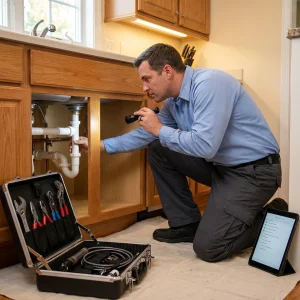
Spring is one of the busiest seasons for home sales, and it is easy to get caught up in curb appeal, school districts, and closing dates. But before you buy a home in Crestwood or the surrounding south suburbs, make sure the plumbing system gets careful attention.
A plumbing problem is not always obvious during a showing. Fresh paint can cover old water stains. A slow drain might seem minor. A basement may look dry on a sunny day but still have a history of seepage or backup after heavy rain. In older Chicagoland homes, issues such as aging water heaters, hidden leaks, sewer line problems, sump pump failures, and low water pressure can turn an exciting purchase into an expensive surprise.
A thorough plumbing inspection helps you understand the condition of the home, what may need repair soon, and what should be negotiated before closing. Here are the main areas to check.
1. Test the Hot Water System Carefully
Start with the water heater. Ask how old it is, whether it is owned or leased, and whether there are service records. In many homes, a conventional tank water heater may last around 8 to 12 years in real-world conditions, while a tankless system can often last longer with proper maintenance.
Look for rust around fittings, corrosion on the tank, water on the floor, scorch marks, unusual noises, or signs of past leaking. Then run hot water at the nearest fixture and at a bathroom farther away. This gives you a better sense of both recovery time and performance throughout the house.
For Crestwood-area buyers, this matters because many homes in the south suburbs are not brand new. In an older house, an aging water heater may be only one part of a larger plumbing story that includes older shutoff valves, galvanized piping, or outdated venting and drain components.
2. Look for Visible and Hidden Water Leaks
Leaks are among the most common plumbing problems homebuyers inherit. Check beneath sinks, around toilets, near tubs and showers, behind the refrigerator, around the dishwasher, and at the clothes washer connections. Look for staining, warped cabinet floors, bubbling paint, musty odors, or new patches on ceilings and walls.
Also pay attention to subtle warning signs. A freshly painted basement ceiling, soft flooring near a toilet, or mildew around trim can all suggest a longer-term issue. Small leaks can go unnoticed for months and lead to wood damage, mold growth, and higher water bills.
If the home has been vacant for a while, be even more careful. Plumbing that has not been used regularly can hide problems that only show up after fixtures are run repeatedly.
3. Do Not Ignore the Sump Pump and Basement Drainage
In this part of Cook County, basement moisture and stormwater management are serious concerns for many homeowners. That makes the sump pump one of the most important items to inspect.
Check whether the home has one sump pump or two, whether there is a battery backup, and where the discharge line sends water. Slowly add water to the pit and make sure the pump activates, removes water properly, and shuts off when it should. Listen for grinding, rattling, or short cycling.
Also inspect the surrounding basement for warning signs such as water staining on foundation walls, efflorescence, musty smells, patched cracks, or a history of stored fans and dehumidifiers. Even if the basement looks clean, a failed sump pump during a major storm can lead to major cleanup and repair costs.
4. Check Toilets, Faucets, and Fixture Quality
It is good to know whether the home has newer water-saving fixtures, but efficiency alone should not be the deciding factor. Flush every toilet. Does it clear the bowl properly? Does it keep running afterward? Is the base loose? Are there signs of past leaks at the floor?
Turn each faucet on and off. Check for dripping, loose handles, poor drainage, and inconsistent pressure. In older homes, an updated-looking faucet may be attached to older shutoffs or supply lines that still need work.
During a showing, buyers often focus on finishes. A plumbing inspection focuses on function. That is what saves money after move-in.
5. Ask Questions About the Sewer Line
If there is one plumbing inspection step that buyers in older suburbs should take seriously, it is the sewer line inspection. A main sewer problem can be one of the most expensive surprises after closing.
Ask when the sewer line was last inspected or rodded and whether the home has a history of backups. Then have a professional perform a video camera inspection before closing if one has not been done recently.
This can reveal issues such as tree root intrusion, cracks, offset joints, sagging sections, grease buildup, or deteriorated piping. Problems may not show up during a short home tour, especially if the home has been lightly occupied. A camera inspection gives you a much clearer picture of what is happening underground.
In the Crestwood area, this is especially important for homes with mature trees and older underground piping. A drain that seems fine today can become a backup tomorrow if the line is already compromised.
6. Test Water Pressure the Right Way
Low water pressure can be more than a nuisance. It can point to hidden leaks, failing pressure-reducing valves, pipe corrosion, undersized piping, or fixture-specific blockages.
Turn on a shower, then run a sink faucet and flush a toilet. Notice whether the flow drops sharply or the temperature changes suddenly. Test both hot and cold water. If one side is weak and the other is not, that may help pinpoint the problem.
Good pressure should feel steady throughout the home. If it does not, that deserves a closer look before you commit to the purchase.
7. Check the Type and Condition of the Water Supply Pipes
This is an area many buyers overlook. Ask what type of water supply piping is in the home. Copper and PEX are common modern materials. Some older homes may still have galvanized steel in portions of the system. Galvanized piping can corrode internally over time, reducing water flow and affecting water quality at fixtures.
Also look at exposed piping in the basement, laundry area, and mechanical room. Mixed materials, patchwork repairs, and excessive corrosion can indicate a system that has been repaired in stages over many years.
A home may not need a full repipe, but it is better to know what you are buying before the closing table rather than after.
8. Inspect Shutoff Valves and Plumbing Around Appliances
Every buyer should know whether the main water shutoff is accessible and functional. You should also inspect shutoff valves under sinks, behind toilets, and near appliances. Old or frozen valves may not work in an emergency, which can turn a small leak into a major flood.
Check plumbing connections for the dishwasher, refrigerator ice maker, washing machine, and any basement bar or utility sink. Appliance leaks are common, and they often cause hidden damage before anyone notices.
9. Ask About Outdoor Plumbing and Hose Bibs
In Illinois, freezing temperatures can be tough on exterior plumbing. Check hose bibs for drips, cracked handles, or signs of past freeze damage. If there is an irrigation system, ask whether it has been winterized properly and whether there are records of maintenance or backflow testing if applicable.
Outdoor plumbing problems may seem minor compared with indoor systems, but they can tell you a lot about how well the property has been maintained overall.
10. Bring in a Professional Before You Close
A standard home inspection is valuable, but it may not go deep enough into the plumbing system to uncover every risk. If you are buying a home in Crestwood, Midlothian, Oak Lawn, Alsip, Palos Heights, or nearby south suburbs, it makes sense to have a licensed plumbing professional take a closer look, especially if the home is older, has a basement, or has any history of moisture, backup, or drainage issues.
A professional plumbing inspection can help you:
- Identify repair issues before closing
- Estimate near-term replacement costs
- Spot sewer and drainage risks early
- Negotiate repairs or credits with more confidence
- Avoid moving into a home with hidden plumbing problems
Buy With Confidence
Buying a home is a major investment. The last thing you want is to discover a failing water heater, sewer line problem, hidden leak, or unreliable sump pump after you get the keys.
Mr. Plumbing Heating Air Electrical has served the Chicagoland area since 1972 and understands the plumbing issues that can affect homes in Crestwood and surrounding communities. If you want added peace of mind before your next home purchase, schedule a professional plumbing inspection before closing.
That extra step can save you a great deal of money, stress, and second-guessing later.
