
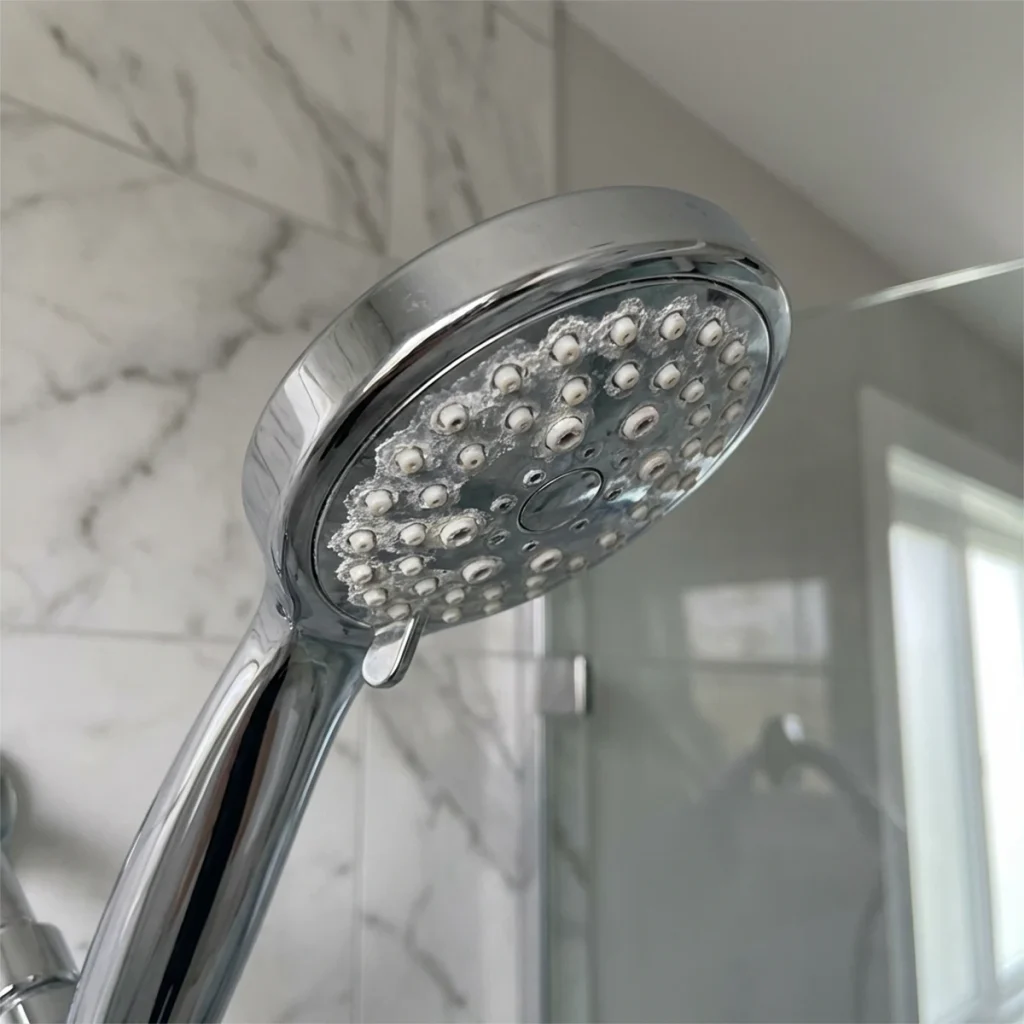
Hard water is one of the most common hidden threats to residential plumbing systems. While it may seem harmless, the high mineral content in hard water can slowly reduce efficiency, shorten the lifespan of appliances, and lead to expensive plumbing repairs. Homeowners dealing with hard water often notice rising energy bills, declining water pressure, and premature failure of plumbing fixtures long before they realize mineral buildup is the root cause.
Understanding how hard water affects your plumbing is the first step toward protecting your pipes, fixtures, and water-using appliances.
What Is Hard Water?
Hard water contains elevated levels of dissolved minerals, primarily calcium and magnesium. These minerals are picked up as groundwater moves through limestone and other mineral-rich rock formations before entering your home’s plumbing system.
While hard water is not a health risk, it can be a serious mechanical problem for plumbing systems. The minerals left behind after water is heated or evaporates form a chalky residue known as limescale.
How Hard Water Impacts Plumbing Pipes
Limescale buildup occurs inside pipes over time, gradually narrowing the interior diameter and restricting water flow. Steel and galvanized pipes are especially vulnerable, but copper and even some plastic piping systems can develop scale under the right conditions.
As pipe interiors become more constricted, several problems begin to surface:
- Reduced water pressure throughout the home
- Increased strain on plumbing joints and fittings
- Accelerated corrosion in older metal piping
- Higher risk of leaks and pipe failure
Once scale buildup starts, it tends to accelerate. Slower-moving water allows minerals more time to settle, compounding the problem and increasing the likelihood of costly pipe repairs or repiping.
Visible Signs of Hard Water Damage
Many homeowners first notice hard water issues at plumbing fixtures and exposed components. Common warning signs include:
- White or chalky residue around faucets, showerheads, and drains
- Frequent clogging or reduced flow from showerheads
- Stiff or failing faucet handles and valves
- Soap that does not lather well and leaves residue on sinks and tubs
Dripping faucets can worsen mineral buildup by constantly depositing scale onto fixtures and sink surfaces. Over time, this can damage rubber washers and internal seals, making repairs more difficult and less effective.
Hard Water and Plumbing Valves
Appliance valves are particularly susceptible to mineral accumulation. Washing machines, dishwashers, ice makers, and refrigerator water lines all rely on precision valves to open and close correctly.
Even minor scale buildup can prevent valves from sealing completely. This often leads to slow leaks, water waste, and eventual valve failure. Left unaddressed, these small leaks can cause water damage behind walls or beneath appliances.
Hard Water and Water Heaters
Water heaters are among the most heavily impacted components in a hard water environment. Mineral deposits quickly collect on heating elements and along the bottom of tank-style water heaters.
This buildup creates an insulating barrier between the heating element and the water, forcing the system to work harder to reach the desired temperature. The result is:
- Higher energy consumption and utility bills
- Longer recovery times for hot water
- Increased wear on burners or electric elements
- Shortened water heater lifespan
In severe cases, sediment buildup can clog drain valves and internal piping, making routine maintenance difficult and accelerating system failure.
The Long-Term Cost of Hard Water
Over time, hard water contributes to higher operating costs across your home. Appliances fail sooner, plumbing repairs become more frequent, and energy efficiency declines. Many homeowners unknowingly replace fixtures and water heaters years earlier than necessary because mineral damage has gone unchecked.
How to Protect Your Plumbing from Hard Water
Professional water testing is the most accurate way to determine mineral levels in your home’s water supply. Based on the results, solutions such as whole-home water softeners or filtration systems can dramatically reduce scale buildup and extend the life of your plumbing system.
Addressing hard water early helps preserve water pressure, protect appliances, improve efficiency, and prevent expensive plumbing repairs down the road.
If you suspect hard water is affecting your plumbing, the experienced plumbing professionals at Mr. Plumbing can ensures the problem is properly diagnosed and corrected before long-term damage occurs.
